APRENDENDO A TERAPIA COGNITIVO COMPORTAMENTAL #016: transcript
- Conhecendo a Psicologia
- Added
- 5:35
- English
- auto-generated captions
AI summary
AI-generated from the transcript below. Check anything that matters against the video.
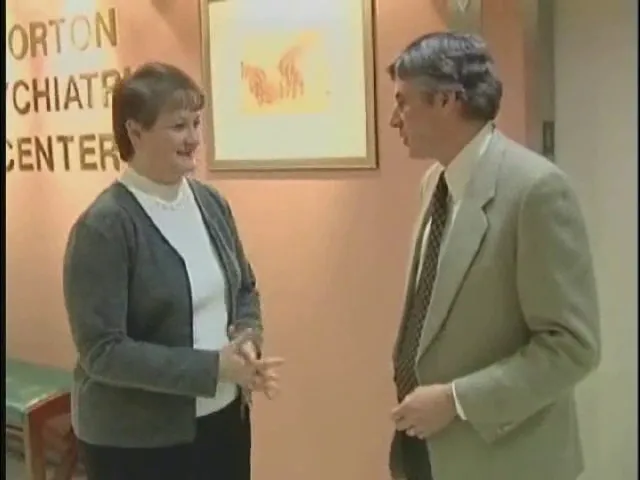
This episode of the psychology channel's cognitive behavioral therapy series demonstrates exposure therapy in vivo, using elevators as the feared situation. A therapist guides a client named Gina through graded steps: first standing close to an elevator and touching the call button, then examining her catastrophic belief that the doors could open onto an empty shaft and she would fall. He asks her to estimate the real probability versus how likely it feels, noting he has ridden many elevators and never seen this happen. He models entering and exiting an elevator, holding the door with his hand on the electric eye and pressing the open button, then has her press the call button and step in and out with him. She reports sweaty hands and anxiety during the exercise but afterward a sense of accomplishment, saying she did not fall. The therapist explains that avoidance reinforces fear and that breaking the avoidance pattern is the strategy, and they agree to continue with more elevator work another day.
Key points
- The session demonstrates in vivo exposure therapy for elevator-related fear.
- The therapist first has the client stand close to and touch an elevator.
- They examine her belief that the doors could open onto an empty shaft.
- He contrasts her felt likelihood with the actual low probability of the event.
- The therapist models entering and exiting an elevator while holding the door.
- The client presses the call button and steps in and out with him.
- She feels anxious during the exercise but afterward a sense of accomplishment.
- The therapist explains that avoidance makes the fear worse over time.
Chat with AI
Ask about this video. Answers come from its transcript, with links to the moments they use.
Free with a Google, Telegram or email account.
Sign in to chatTranscript
- 0:04
what are you feeling is your your seeing the elevator here look a little squeamish like you want to step aside from the elevator okay what I wanted to show you was that elevators are something that you can get up close to they're not gonna come after you they're not gonna do anything right at this point let's look how close I'm standing this elevator right now I see where I am yes Beck down really right up here against it right now I know yes you are okay and Here I am I'm touching the number on the floor here and the elevators there you're gonna fall do you think that would happen they could okay what do you think the chances are that I would open in the elevator wouldn't be there there we've done those things before where there's how frequent the chances are the things would actually happen like that yeah okay so we did the thing in the in the cafeteria with the risk of your tray actually falling out of your hands right straight to think about what the risk would be of an
- 1:02
elevator opening and there not being an elevator there the risk is pretty low but in my mind in your mind to turn very likely high yeah if I realize think about it what do you think the chances are that I would press this button the doors would open and there would be no elevator there just open before probably I wanna know you know many many more than that I've written a lot of elevators I certainly never seen it happen and then we can even go let's say if I'm standing here and it opens and there's no elevator there what are the chances are that I'm gonna fall into that hole I gotta jump in there looking you went to step off well I think I'm gonna look before I step in this okay okay so I think I'm gonna show you how this would work okay okay with you that you could actually be beside me as I press the button and call an elevator and at least go partly you know now sure so what I'm gonna do is I'm gonna show you how to press the button I'm gonna go into the elevator and then I'm going to step back out again which is something you can practice you know yours go okay in fact uh let's see
- 2:00
there's an elevator right there can we go over and check that out sir would you mind if we don't this elevator thank you very much you can just watch me I'm gonna go in here and I can just actually hold my hand on the side of the elevator and there's an electric eye here so it's not gonna open because I have my hand on that there's also a button in here which will open the elevator and if I press it it keeps the door open so I can stand here and talk with you okay now I'm seeing a number of buttons for the floors here no no when hear these sounds what does it feel like to you panic this is just telling me that someone's holding the button and they think it probably is a good idea if the elevator gets on a switch this gentleman is very nice and it's been listening to this so I'm gonna go ahead let him take the ride and I'm gonna step back out again okay okay yeah so here we go thank you very much sir okay so you've been very good at watching this I can tell you're just getting a little bit hands are sweaty sure remember our basic idea about how to handle anxiety disorders that one of the things is that we have a pattern of avoiding things because we have a
- 2:59
built-up fear of how bad it's going to be every time we avoided that makes it feel worse yes so our strategy gears in other ways to break this pattern avoidance okay so what do you say we call another elevator you try to step in and out of the elevator with me just like I did okay okay okay the Steve will just press the button if you press the button I can push the button great great yes there we go let's see we'll take the first elevator that comes there I guess for them right here okay all right I don't know if I can get in it if it's crowded okay well if it's not then we'll catch the nurse then I feel like I'd be stuck yeah we'll talk with about that one once we finish this exercise happen I don't likelihood of being more stuck if they're more people okay let's see what happens here with now you see assignment it says in case of fire you stairs know of it yeah what do you think when you see that sign that the fire would just shoot right up the elevator shaft well they do have a fire sign right there don't they yes okay so
- 3:58
probably it is a good caution that when there is a fire to take the stairs that's what is generally recommended okay now here's another elevator effect this is the one that I was in earlier so that's what I'm going to step inside and I'm going to help a little bit by holding this did you step inside with me Ramon okay I'm breathing okay remember your breathing your normal breathing that's actually it's funny how the button I'm holding it just like I did before see if we can wait until that buzzer goes off and then we'll step outside let my panic button when it goes off no it's not the panic what just tells us that someone's holding the button for a while so here we are can you open the elevator you can't no I want to look at the door we'll do that another day this should take a quick look up where here's this is nice glass panels on the top mm-hm here's the Lambert Iseman for the nurse of the week okay which is very nice yes okay in fact it's a very beautifully designed elevator here okay so now we said we'd step out so we're ready okay excellent
- 4:56
great so that was our experience with actually stepping in and outside of knowledge I think it's probably been some time since you've done that yes it has maybe a year how do you feel well I was pretty anxious while we were doing it but I guess now there's a sense of accomplishment it didn't fall yeah I didn't fall it didn't I was actually an elevator floor there is a loafer David you did check it out okay well it's pretty good to look before you before you get into something like that all right well what we're gonna do today is stop for now because we've had a good experience with this and then we'll take another day and we'll come back okay and try to do some more things with elevators okay
Questions
AI-generated, and answered only from the transcript.
What technique is being demonstrated in this session?
In vivo exposure therapy, in which the client gradually approaches and interacts with the feared situation, an elevator, alongside the therapist.
What catastrophic thought does the client have about elevators?
She fears that the doors could open and there would be no elevator there, so she would fall into the shaft.
How does the therapist address her estimate of risk?
He asks her to compare how likely the event feels with the actual chances, noting he has ridden many elevators and never seen it happen.
What steps does the client complete during the exercise?
She watches the therapist enter and exit an elevator, presses the call button, and then steps in and out of the elevator with him.
How does the client feel after the exercise?
She says she was pretty anxious during it but now feels a sense of accomplishment because she did not fall.
Why does the therapist say avoidance is a problem?
He explains that avoiding feared situations makes the fear feel worse each time, so the strategy is to break the avoidance pattern.
Related transcripts
Psychiatry, Insane Asylums, Mental Illness, ECT, Lobotomies, Freud & Jung | Lex Fridman Podcast #502
This Lex Fridman podcast episode features Andrew Scull, a historian of psychiatry and author of books including Madness in Civilization and…

Latest transcripts
+ Agua + Carbono Una mirada a través del CIHH
El video del canal UTPPanama presenta el trabajo del Centro de Investigación Hidráulica e Hidrotécnica (CIHH) de la Universidad Tecnológica…
The Work of the Co Creator: Visualization II - Hugh McCague
In this RosicrucianTV presentation, Hugh McCague continues a series on mental creation or visualization as a central Rosicrucian exercise…
The Work of the Co-Creator - Visualization - Hugh McCague
This RosicrucianTV presentation by Hugh McCague explores visualization, or mental creation, as one of the central Rosicrucian exercises for…
Rosicrucian Exercises: A Foundation for Daily Living VI - Hugh McCague
In this sixth installment of the Rosicrucian Exercises series, Hugh McCague of the Rosicrucian Order, AMORC, guides viewers through an…
Rosicrucian Exercises: A Foundation for Daily Living V - Hugh McCague
This video is the fifth installment in a Rosicrucian Order AMORC series on Rosicrucian exercises as a foundation for daily living, presented…
Rosicrucian Exercises: A Foundation for Daily Living IV - Hugh McCague
In this RosicrucianTV session, Hugh McCague guides viewers through a series of Rosicrucian exercises as a foundation for daily living. He…